
Open only eight months a year
Badrinath closes completely from November to April due to heavy snowfall — there's no visiting in winter. Plan within the open season, and pick your month based on crowds versus weather.
Warm, stable days but the year's heaviest crowds, especially around the Akshaya Tritiya opening.
Monsoon — frequent rain and landslide risk on the Chamoli district roads. Many advise avoiding this window.
The best balance of good weather and thinner crowds, cooling toward the November closing.
Dates change every year
Opening falls on Akshaya Tritiya (late April/early May) and closing on Bhai Dooj (late October/November), both set by the temple committee according to the Hindu calendar. After closing, the deity is moved to the Narsingh Temple in Joshimath for winter worship. Always confirm the current year's exact dates with the official BKTC portal before booking travel.
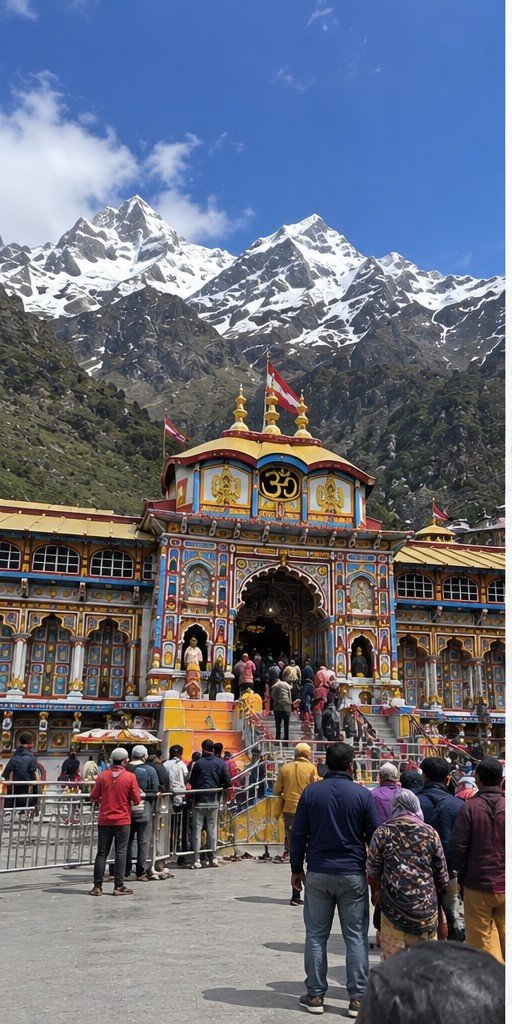
Clear skies, biggest crowds
The temple is at its busiest right after opening — warm, stable weather draws the year's largest numbers of pilgrims.
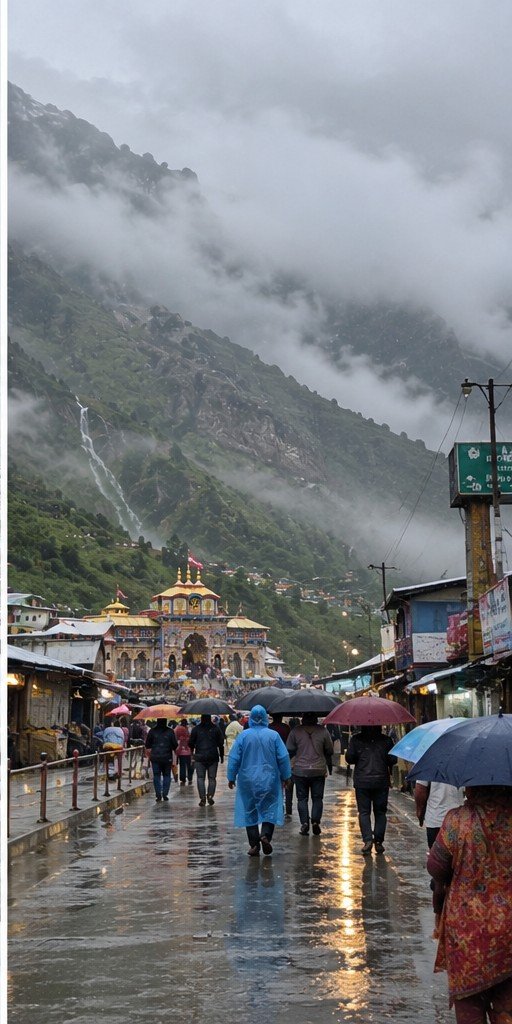
The monsoon window
Frequent rain and the risk of landslides on the approach roads make this the least recommended stretch to visit.
A note on altitude
Important: Breathing difficulty at Badrinath is caused by its high altitude of 3,133 metres (approx. 11,500 feet) above sea level, where lower air pressure and reduced oxygen levels can lead to altitude sickness. Ascend gradually where possible, stay well hydrated, avoid overexertion on your first day, and know the early symptoms — headache, nausea, dizziness or breathlessness. Seek medical help promptly if symptoms worsen, especially with young children or those with heart or lung conditions.